How to Choose the Best Bi-Levelling Tracked Scissor Lifts?
When selecting the ideal Bi-Levelling Tracked Scissor Lifts, many factors come into play. These lifts are crucial for various industries, from construction to maintenance. Their ability to operate on uneven terrain sets them apart. However, the choice can be overwhelming, and not all models are created equal.
It's essential to consider factors like lift height, weight capacity, and mobility features. Understanding these details can lead to informed decisions. Many customers overlook important specifications, which can result in inefficiencies at work sites. This oversight can complicate operations and lead to safety issues.
Moreover, collaborating with reputable suppliers can enhance your selection process. They offer insights based on experience and product knowledge. Choosing the right Bi-Levelling Tracked Scissor Lifts not only boosts productivity but also ensures safety. A well-researched choice is vital in achieving these goals.
Understanding Bi-Levelling Tracked Scissor Lifts and Their Applications
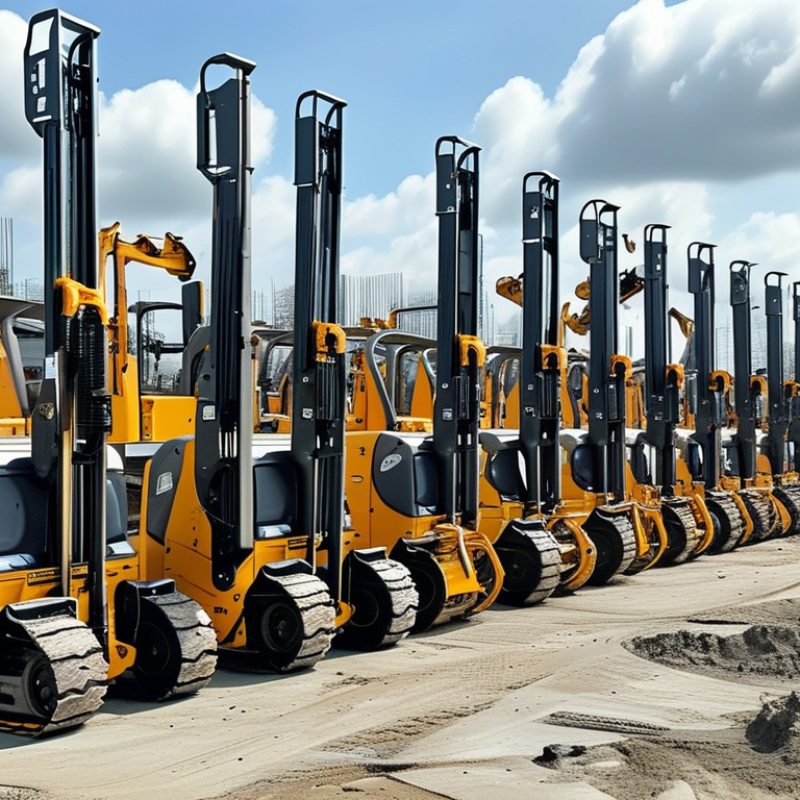
Bi-levelling tracked scissor lifts are designed for various applications, ranging from construction sites to maintenance tasks. Their unique capabilities make them suitable for uneven terrain, allowing operators to work safely and efficiently. These lifts provide a stable base while adjusting the platform's height, enhancing overall productivity.
When considering a bi-levelling tracked scissor lift, keep these tips in mind. Assess the lift's weight capacity carefully. Ensure it can handle the load you intend to lift. Additionally, evaluate the ground conditions of your worksite. A lift that performs well on grassy surfaces might not excel on rocky terrain. Check the lift's maneuverability as well. You want it to navigate tight spaces effectively.
Operators should also pay attention to safety features. Emergency stop buttons and sturdy guardrails are essential for maintaining a secure environment. Maintenance is critical as well. Regularly inspect the hydraulic systems and tracks to avoid malfunctions. Each job is unique, so ask questions about the lift's adaptability to your needs. Not all lifts are created equal, and understanding their limitations can prevent accidents.
Key Features to Consider When Selecting a Bi-Levelling Lift
When selecting a bi-levelling tracked scissor lift, key features play a crucial role. Consider the lift's maximum working height. A higher reach can enhance productivity in construction or maintenance tasks. However, be cautious of stability at greater heights. Not all lifts guarantee balance, especially on uneven terrain.
Next, review the lift's load capacity. It should accommodate both the operator and equipment. Insufficient capacity can lead to accidents. Furthermore, check the lift’s terrain capability. A tracked lift may excel on rough surfaces, but it must be tested for specific environments. Think about its maneuverability too. A compact design promotes access to tight spaces.
Another vital aspect is safety features. Emergency lowering systems, guardrails, and non-slip surfaces are essential. Wait for a lift with clear indicators for hydraulic functions. Knowledge of how these features work can be vital, especially in emergencies. Some users overlook regular maintenance needs, impacting reliability. Frequent checks ensure longer lifespan and safe operations. Keep these factors in mind while researching options.
Safety Considerations for Operating Bi-Levelling Scissor Lifts
Operating bi-levelling scissor lifts requires careful attention to safety. Before use, always inspect the lift for any defects. Look for signs of wear or damage, especially on the hydraulic system and platform. Ensure that the safety guards are in place. A daily inspection can help identify potential issues before they lead to accidents.
When operating the lift, be aware of your surroundings. Make sure the ground is stable and free from obstructions. Avoid uneven terrain as it can affect the lift’s balance. A spotter can help by providing clear guidance. Communication is key to ensuring everyone’s safety on site.
**Tips:** Always wear a harness when working at heights. Ensure that all personnel are trained and familiar with the equipment. Conduct a safety briefing before commencing work to address any concerns. Never exceed the weight limit specified for the lift. Understanding these basics can greatly reduce risks and enhance operational safety. Regular training sessions are valuable for maintaining a safety-first culture.
Safety Considerations for Operating Bi-Levelling Scissor Lifts
Comparing Different Brands and Models of Bi-Levelling Scissor Lifts
When selecting a bi-levelling tracked scissor lift, brand and model comparison is crucial. Market analysis reveals that the best models typically feature enhanced stabilization and adaptable height ranges. For instance, many lifts have maximum platform heights between 20 to 40 feet. This flexibility allows them to cater to diverse job sites.
Performance metrics show that scissor lifts should have gradeability capabilities of 25% or more. Data indicates that this ability ensures safe operation on slopes. Additionally, weight capacity is critical. Most reliable models support loads of about 1,000 to 2,000 pounds. These figures are essential for safe and efficient operations in various industries.
However, not all models are created equal. Some may sacrifice stability for weight capacity. Users often report challenges with maneuverability in tight spaces. It can be disheartening to discover that a lift cannot navigate certain environments. Buyers should prioritize their specific needs, such as terrain type and load requirements. Understanding these details can significantly impact the effectiveness of lift operations.
Maintenance Tips for Optimal Performance of Bi-Levelling Lifts
Proper maintenance is crucial for bi-levelling tracked scissor lifts to ensure optimal performance and safety. Regular checks on the hydraulic systems can prevent leaks and malfunctions. Operating with low fluid levels leads to inefficiencies and costly repairs. It’s wise to inspect hoses for wear and replace them as needed. Even minor leaks can cause major setbacks.
Another key area is the battery health. Ensure batteries are charged adequately. Dead batteries can halt operations unexpectedly. Performing voltage tests regularly will help in maintaining overall lift performance. Additionally, consider implementing a routine cleaning schedule. Dust and debris can affect electrical components and hydraulic systems. A clean lift is a reliable lift.
Lastly, operator training cannot be overlooked. Each user should be well-versed in safety protocols and lift functionalities. Misuse can lead to damage and accidents. Remember, regular maintenance checks should not feel burdensome but rather a routine that enhances lift longevity and safety. This ongoing commitment to care can significantly impact performance over time.