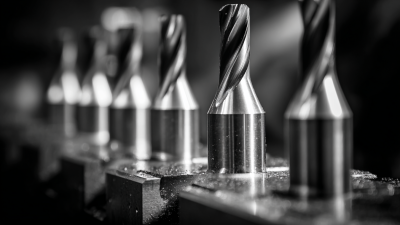
How to Choose the Best CNC Cutting Tools for Your Projects?
Choosing the right CNC cutting tools is crucial for quality projects. The global CNC cutting tools market is expected to reach USD 20 billion by 2026, according to recent industry reports. This growth reflects the increasing reliance on precision machining in various sectors, from automotive to aerospace.
Selecting suitable CNC cutting tools can be challenging, especially for newcomers. Factors such as material type, cutting speed, and tool life must be considered. For instance, tungsten carbide tools are known for their durability and effectiveness in cutting tough materials. However, they may be costlier and not always necessary for simpler projects.
Understanding the specific requirements of your project is vital. You may find that cheaper tools do not always deliver the expected precision. Balancing quality and budget can be a tough decision. Ultimately, investing time in selecting the best CNC cutting tools will yield better outcomes.

Understanding the Different Types of CNC Cutting Tools Available
When selecting CNC cutting tools, it’s crucial to understand the various types available. Each tool serves a specific purpose and material. For wood, flat end mills or ball end mills are popular choices. They ensure smooth finishes and precise cuts. For metal, consider high-speed steel tools or carbide tools. These are designed for durability and can withstand high temperatures.
Different shapes and sizes influence the outcome of your projects. A taper tool offers angled cuts, while a V-bit can create grooves and designs. The right tool can make a significant difference in the quality of your work. However, many beginners may overlook the importance of tool selection. Using the wrong tool may lead to poor results or damage to materials.
Investing time in understanding your material and the suitable cutting tools is essential. Not every tool works efficiently with every project. Properly experimenting may take time, and sometimes, your first choice won’t yield ideal results. Identifying these nuances will enhance your skills. Each CNC cutting tool presents a unique opportunity for creativity and craftsmanship.
Factors to Consider When Selecting CNC Cutting Tools for Projects
When selecting CNC cutting tools, several factors stand out. The material type is crucial. Different materials require specific cutting tools to optimize performance. For instance, hardwoods need different bits than metals. The tool's geometry matters too. Angle and cutting edge design influence how effectively a tool performs.
Consider cutting speed and feed rate. These settings can vary significantly depending on the application. A slow feed may produce finer cuts but can lead to tool wear. Conversely, too fast can cause rough finishes. Balance is key.
Don’t overlook the importance of tool life. Regular inspection helps identify wear and tear. A dull tool can ruin a project. If your tool experiences overheating, it may need replacement sooner. Reflect on how each choice impacts overall project quality as you decide.
Evaluating Tool Material and Coating for Enhanced Durability
Choosing the right CNC cutting tools hinges significantly on tool material and coating. Tool material affects durability and performance. Carbide is a popular choice due to its hardness and resistance to wear. According to a recent industry report, tools made from carbide can last up to five times longer than high-speed steel counterparts in similar tasks. This longevity translates to cost savings, as replacements are less frequent.
Coatings are equally important. Advanced coatings enhance the tool’s resistance to heat and friction. For instance, titanium nitride (TiN) coatings can improve tool life by up to 50%. These coatings create a smoother surface that reduces friction. However, improper coating application can lead to performance issues. A poorly coated tool may chip easily or wear down faster than expected. The importance of quality control during the coating process cannot be overstated.
In addition, the environment in which the tool operates matters. Some coatings perform better in abrasive settings, while others excel in high-speed machining. Understanding these nuances is crucial. Data from machining studies indicate that selecting the right material and coating can enhance machining efficiency by over 30%. This clearly illustrates the necessity of informed choices when selecting CNC cutting tools for various applications.
Matching Cutting Tools to Specific Materials and Project Requirements
Choosing the right CNC cutting tools hinges on understanding the materials you'll be working with. Each material has unique properties that affect cutting performance. For instance, metals like aluminum require high-speed tools with sharper edges to achieve a clean finish. Conversely, wood responds well to tools designed for slower speeds and smoother cuts. According to a report by the Manufacturing Technology Association, 70% of operational issues stem from improper tool selection.
Tool composition is another vital aspect to consider. Carbide tools are excellent for hard materials, while HSS tools are better suited for softer options. The right coating can also enhance durability and reduce friction. A recent survey showed that using the correct coating can improve tool life by 30%. However, not all coatings are suitable for every application. The choice can sometimes lead to unexpected challenges, like premature wear or poor surface finish, especially if the wrong tool type is used.
It's also crucial to consider project requirements. Are precision and speed paramount? Many projects demand a fine balance. A tool that excels in one area may underperform in another. For instance, while a high-speed cutter may increase production rates, it may compromise accuracy. Understanding these nuances is essential in optimizing the cutting process. Continuous learning from past experiences can significantly improve future outcomes in CNC machining.
How to Choose the Best CNC Cutting Tools for Your Projects?
| Material |
Recommended Tool Type |
Cutting Speed (RPM) |
Feed Rate (IPM) |
Material Hardness |
| Aluminum |
Carbide End Mill |
8000 |
50 |
70-90 HRB |
| Steel |
High-Speed Steel (HSS) Tool |
2000 |
20 |
80-110 HRB |
| Plastic |
Single Flute Router |
12000 |
60 |
40-60 HRB |
| Wood |
Spiral Upcut Bit |
18000 |
80 |
30-40 HRB |
| Composites |
Diamond Coated Tool |
6000 |
30 |
Variable |
Maintenance and Care Tips for Prolonging the Life of CNC Cutting Tools
CNC cutting tools are vital for precision machining. Proper maintenance can significantly extend their lifespan. Studies show that regular upkeep can increase tool life by up to 30%. Neglecting maintenance, on the other hand, often leads to frequent replacements, escalating costs, and downtimes.
Regular cleaning is essential. Remove chips and residues after each use. These particles can wear down the cutting edges. A soft brush or air compressor can help. Additionally, inspect tools for signs of wear. Look for chipping or discoloration. Addressing small issues promptly can prevent major failures.
Lubrication is another critical aspect. Proper lubrication reduces friction and heat build-up. This helps maintain the integrity of the cutting edges. Different materials require different lubricants. For instance, high-speed steel tools may need oil, while carbide tools perform better with coolants. Understanding these nuances is key. Ignoring them may lead to subpar performance and tool damage. Regularly check your tools. A proactive approach not only saves money but also enhances overall machining efficiency.