How to Choose the Best Electric Garage Doors for Your Home?
Choosing the right Electric Garage Doors can significantly impact your home’s value and security. With numerous options available, it can be overwhelming. These doors are designed for convenience and safety, making everyday access easy.
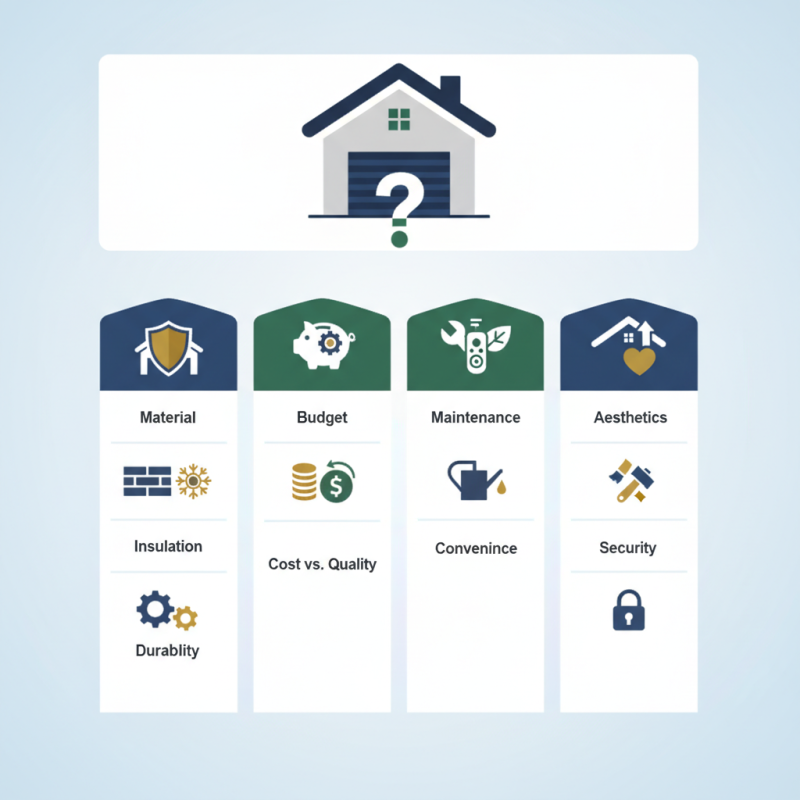
One must consider various factors before making a decision. The material is crucial. Steel doors offer durability, while wooden ones add charm. Insulation matters too; it can help maintain a comfortable temperature.
Budget is often a stumbling block. It's easy to overspend on features you might not need. Reflect on what you value most. Will you prioritize aesthetics or functionality? Electric garage doors should enhance your home. Yet, remember, they also require maintenance. Balancing cost and quality is vital.
Understanding the Different Types of Electric Garage Doors Available
When selecting electric garage doors, understanding the different types available is crucial. The main types are sectional, roller, and tilt-up doors. Sectional doors comprise several panels that slide up and down. They are space-efficient and enhance insulation. Roller doors consist of slats that roll into a cylinder. They save space but can be less insulated. Tilt-up doors swing outward, offering a traditional look but require more clearance.
A recent industry report indicates that sectional doors account for about 70% of the market. This popularity is due to their versatility and ease of installation. Roller doors represent around 20%, favored in commercial settings. Tilt-up doors, while classic, make up just 10% of the market. This data shows a clear trend toward sectional doors for residential use.
Tips: When choosing, consider the insulation rating. Higher ratings mean better energy efficiency. Assess your garage space; some doors need more room to operate. A good fit enhances both function and style. Check local weather conditions, as extreme climates may require different door materials. Always reflect on your long-term needs. A door should last many years, so consider future garage usage carefully.
Electric Garage Door Types and Features
Key Features to Consider When Selecting Electric Garage Doors
When selecting electric garage doors, several key features should be prioritized. First, consider insulation. Insulated doors help maintain temperature control. According to the Department of Energy, a well-insulated garage can reduce energy costs by up to 20%. This is significant for homes in regions with extreme temperatures.
Security features are equally important. Many electric garage doors now come with rolling codes and smartphone connectivity, enhancing their security. Recent industry reports suggest that nearly 30% of home burglaries occur through the garage. Investing in high-tech locking systems can be a pragmatic choice for homeowners.
Lastly, think about aesthetics and design. The style of your garage door should complement your home’s architecture. Options range from traditional to modern designs. A garage door that matches your home's look can boost curb appeal by about 4%, according to real estate analyses. Each choice matters, and it’s crucial to reflect on these features before making a decision. Consider how each aspect fits not only your current needs but also future ones.
How to Choose the Best Electric Garage Doors for Your Home?
| Feature | Description | Importance |
| Insulation | Enhances energy efficiency and reduces noise. | High |
| Security Features | Includes rolling code technology and alarms. | Very High |
| Material | Options include steel, aluminum, wood, and fiberglass. | Medium |
| Warranty | Length and coverage of warranty features. | High |
| Customizability | Ability to choose styles, colors, and finishes. | Medium |
| Noise Level | Quiet operation for minimized disruption. | High |
| Opening Speed | Speed of door opening and closing. | Medium |
Evaluating Safety and Security Features of Electric Garage Doors
When choosing electric garage doors, safety and security features are crucial. Look for doors with strong materials to resist forced entry. Steel or reinforced fiberglass can provide better protection. Anti-lift features are also important. They prevent unauthorized access by securing the door in place.
Consider the locking mechanisms. A good garage door should have a robust locking system. Biometric locks or keypad entries can enhance your security. These features allow for keyless entry, adding convenience. However, they can malfunction. Regular testing and maintenance are essential to ensure they work properly.
Don't overlook the sensors. Safety sensors can detect obstacles. They stop the door from closing if something is in the way. This can prevent injuries or accidents. Yet, sensors can be unreliable. Dust and debris might obstruct their function. Regular cleaning can help maintain their efficiency.
Comparing Costs and Installation Options for Electric Garage Doors
When considering electric garage doors, costs can vary widely. Basic models may start at a lower price, but high-end options can be quite pricey. Installation costs are another factor. If you're handy, DIY installation may save money, but a professional installer ensures proper setup.
Evaluate your budget carefully. Sometimes, a flashy door looks appealing but may not fit your financial plan. Maintenance costs are often overlooked. A cheaper door now might lead to hefty repairs later. It's wise to ask questions about reliability and long-term durability.
Installation choices also matter. Some doors require extensive modifications to your garage opening. Others might fit right in without any structural changes. Research local contractors and get multiple estimates. Finding the best price can be time-consuming but worth it. Don’t rush your decision. Reflect on your needs and consider the type of usage the door will see regularly.