

How to Choose Tool Repair Services in 2026?
Choosing Tool Repair services in 2026 requires more than comparing hourly rates. A reliable workshop should show practical experience, technical training, and clear responsibility for completed work. Look for technicians who understand cordless drills, angle grinders, table saws, pneumatic tools, and older equipment. Each category has different failure points.
Tool-repair specialist Martin Hale explains, “A good repair begins with diagnosis, not replacement.” This simple statement deserves attention. A technician should inspect the switch, motor, battery contacts, wiring, bearings, and safety systems before recommending parts. Ask for a written diagnosis, an estimated completion date, and a warranty covering labor. Photographs of damaged components can also improve transparency.
Check the workshop’s testing process. Does the technician run the tool under realistic load? Does the repaired drill maintain speed when driving a long screw? Does the grinder start smoothly without unusual vibration? Small details reveal professional habits. Reviews may help, but they should not replace direct questions about parts and testing.
Price still matters. The cheapest quote may hide low-quality components or limited support. Yet an expensive service is not automatically reliable. This is where judgment becomes difficult. A reasonable provider explains both repair and replacement options without pressure.
Some choices will remain uncertain. No checklist is perfect. However, selecting a Tool Repair service with documented experience, honest communication, secure handling, and careful final testing can reduce avoidable costs and workplace interruptions. Your tool deserves more than a quick fix.
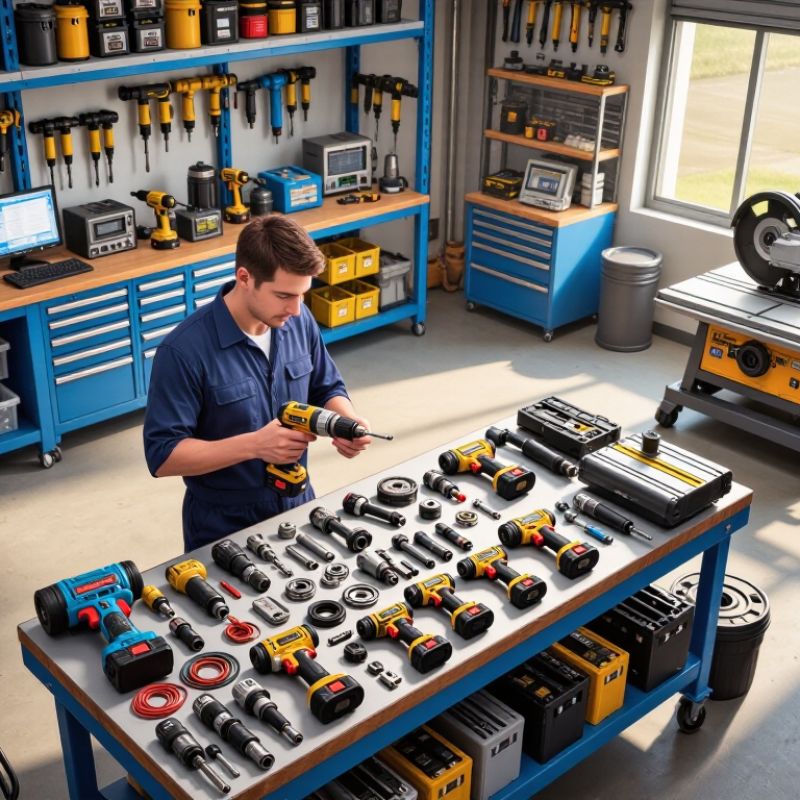
Define Your Tool Repair Needs and Service Requirements
Choosing tool repair services in 2026 starts with defining the repair need clearly. Record the tool type, model, failure symptoms, usage frequency, and working environment. A drill used near dust needs different inspection standards than a precision torque tool. State your required turnaround time, budget range, and acceptable downtime. Do not describe every failure as “minor.” Small noises can signal expensive internal damage.
Your service requirements should include written diagnostics, estimated labor, parts availability, and repair documentation. Ask whether technicians test the tool under realistic operating conditions. Request photographs of damaged components when possible. The U.S. Department of Energy’s Operations & Maintenance Best Practices Guide reports that maintenance may represent 15–40% of operating costs. A cheaper repair is not always cheaper ownership. The U.S. Bureau of Labor Statistics projects 4% growth in maintenance and repair occupations from 2023 to 2033. Skilled labor may become harder to schedule. I would also question vague guarantees. They sound convenient, but they rarely define coverage clearly.
Tips: Create a one-page repair brief before contacting providers. Include symptoms, operating hours, previous repairs, and safety concerns. Compare diagnostic quality, not only price. Ask for the failed-part explanation. Keep a record of recurring faults; my own first assessment can be wrong, especially when vibration hides electrical problems.
How to Choose Tool Repair Services in 2026? - Define Your Tool Repair Needs and Service Requirements
| Evaluation Dimension | Typical Requirement | Recommended Service Level | Questions to Ask the Repair Provider | Selection Indicator |
|---|---|---|---|---|
| Tool Type and Power Source | Hand tools, corded power tools, cordless battery tools, pneumatic tools, or precision equipment. | Choose a technician with documented experience in the tool category and its power system. | Do you repair this tool type? Can you test electrical, battery, pneumatic, or mechanical systems? | The provider lists relevant repair capabilities and testing equipment. |
| Failure Symptoms | No start, intermittent operation, overheating, unusual noise, vibration, reduced torque, air leakage, or inaccurate output. | Provide a clear symptom description, operating conditions, and the time when the problem began. | Is diagnostic testing included? Will you identify the root cause rather than only replace visible parts? | A written diagnosis distinguishes symptoms, failed components, and recommended corrective action. |
| Safety Risk | Electrical shock, damaged guards, exposed rotating parts, battery swelling, overheating, air pressure, or compromised insulation. | Stop using the tool when a serious hazard is present and use a qualified repair service. | What safety checks are completed before return? How are damaged batteries or hazardous components handled? | The provider documents safety inspection and refuses unsafe return-to-service conditions. |
| Repair Urgency | Routine maintenance, normal repair, production-critical repair, or emergency breakdown. | Match the service priority to operational impact instead of selecting solely on price. | What is the estimated inspection time? Is expedited service available, and what additional fee applies? | The quotation separates standard turnaround, expedited work, and parts-related delays. |
| Diagnostic Process | Visual inspection, functional testing, electrical measurement, mechanical inspection, cleaning, and final verification. | Use a service that provides a repeatable inspection and testing procedure. | Which tests are performed? Will test results or inspection notes be supplied? | The process includes pre-repair diagnosis and post-repair functional testing. |
| Parts Availability | Common wear parts may include switches, bearings, brushes, seals, chucks, belts, filters, cords, and battery components. | Confirm whether parts are stocked locally or ordered after diagnosis. | Are replacement parts available? Will compatible alternatives be approved before installation? | The provider explains parts sourcing, compatibility, lead time, and approval requirements. |
| Cost Transparency | Diagnostic fees, labor, replacement parts, consumables, shipping, taxes, and expedited-service charges. | Request a written estimate before approving work above the agreed spending limit. | What is included in the estimate? Is there a fee if I decline the repair? | All major charges and approval thresholds are stated before repair begins. |
| Repair-versus-Replace Decision | Compare repair cost, remaining service life, safety condition, downtime, replacement availability, and operating requirements. | Request an objective recommendation when repair cost approaches the cost of a suitable replacement. | What is the expected service life after repair? Are there repeated or obsolete failure points? | The recommendation considers total cost of ownership, not only the immediate repair price. |
| Turnaround Time | Actual timing depends on diagnosis, parts availability, workload, shipping, and repair complexity. | Obtain an estimated inspection date and completion window rather than relying on a single guaranteed date. | When will the diagnosis be ready? What events could extend the completion date? | The service provides milestone updates and communicates delays promptly. |
| Warranty and Rework | Coverage may apply to workmanship and installed parts under stated terms and exclusions. | Review the warranty period, covered components, exclusions, and claim procedure in writing. | How long is the repair warranty? Who pays for inspection, shipping, or rework if the same fault returns? | The warranty is written, easy to understand, and linked to the completed repair order. |
| Final Performance Testing | The repaired tool should operate under appropriate load or functional conditions without abnormal heat, noise, vibration, leakage, or electrical faults. | Require a documented final test before collection or shipment. | What acceptance test was completed? Are safety guards, cables, controls, and accessories checked? | The service records the repair performed and confirms successful final testing. |
| Documentation and Asset Tracking | Repair order, serial or asset identifier, reported fault, test results, parts used, labor, warranty, and return date. | Use documented records for maintenance planning, audits, and repeat-failure analysis. | Will you provide a service report and preserve the tool’s identification details? | The completed record supports future maintenance and cost analysis. |
| Environmental and Disposal Requirements | Batteries, oils, solvents, electronic components, damaged cords, and other waste may require controlled handling. | Select a provider that follows applicable waste-handling and recycling requirements. | How are replaced batteries, electronic parts, oils, and contaminated materials disposed of? | The provider explains disposal procedures and returns removed parts when requested. |
Note: Service times, prices, warranty terms, and parts availability vary by tool type, repair complexity, location, and provider capacity. Confirm all commercial and technical terms in writing before authorizing the repair.
Related Posts
-

Mastering Live Tool Repair Techniques for Enhanced Machine Performance
-
Trusted Quality Indexable Tool Repair Made in China for Global Sharing
-
Key Factors in Selecting Reliable Manufacturers for Indexable Tool Repair Services
-

10 Amazing Benefits of Indexable Milling Cutters for Your Manufacturing Needs
-
How to Choose the Best Pneumatic Tools for Your Needs?
-
2026 How to Choose the Best Machine Shop Tools for Your Needs?