Essential Equipment for Starting a Chicken Farm?
Starting a chicken farm can be a rewarding venture. However, success hinges on choosing the right Equipment for chicken farm operations. Proper tools ensure efficiency and animal welfare, directly influencing productivity. The essentials include feeders, drinkers, nesting boxes, and heating systems. Each piece plays a vital role in daily operations.
Investing in quality equipment for chicken farm management saves time and effort. A robust feeding system can minimize waste and optimize growth. It's crucial to select features that enhance biosecurity and facilitate cleaning. Remember, poorly chosen equipment may lead to higher costs and lower outputs.
Reflecting on your equipment choices is essential for long-term success. Regular assessments help identify gaps and streamline operations. Seek advice from experienced farmers or specialists. Their insights can guide you in making informed decisions. Ultimately, every piece of equipment contributes to the productivity and sustainability of your chicken farm.
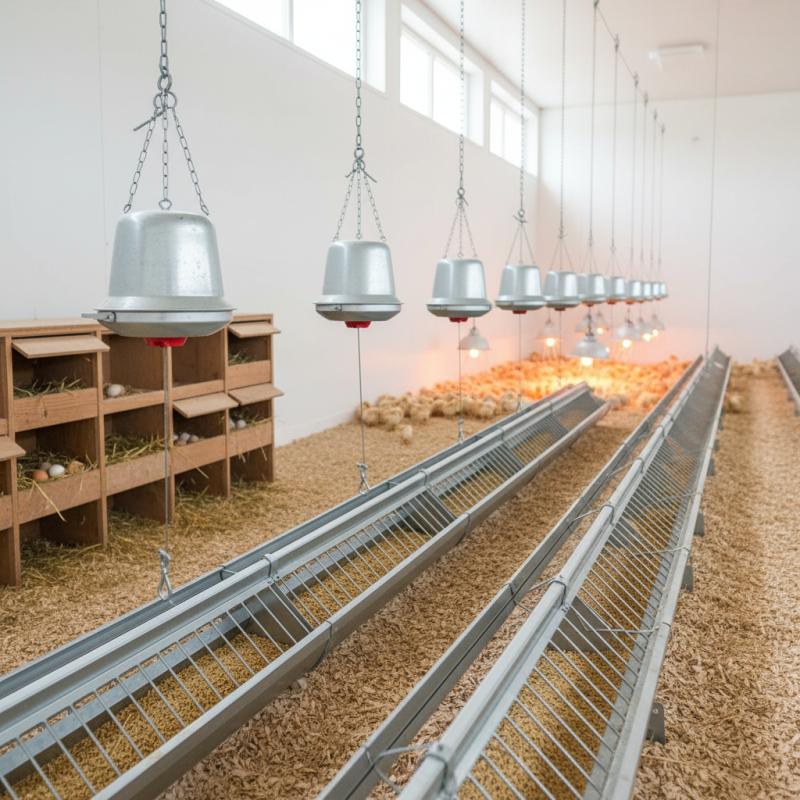
Essential Infrastructure for a Chicken Farm
When establishing a chicken farm, the right infrastructure is crucial. Start with a well-designed coop. The coop should provide adequate space, ventilation, and protection from weather and predators. A spacious interior can help keep the chickens healthy and stress-free. Ideally, each chicken requires about 4 square feet inside the coop.
Next, consider the outdoor space. A secure run allows chickens to forage for worms and insects. Fencing must be sturdy to prevent foxes or raccoons from entering. Grass, dirt, and natural habitat enhance their well-being. Access to fresh air and sunlight is essential for egg production and overall health.
Water supply is often overlooked but vital. A clean, constant water source prevents dehydration. Automatic waterers are reliable but require monitoring for clogs. Consider how weather affects water availability. Winter can freeze water, while summer can lead to extreme temperatures.
Reflecting on these needs, start simple, then gradually improve. It’s a learning experience. Each chicken farm is unique. Adapt your setup based on local conditions and challenges. Embrace the journey and the lessons it brings.
Key Types of Chickens and Their Requirements
When starting a chicken farm, selecting the right breeds is crucial. Different types of chickens have varied needs regarding space, diet, and shelter. For instance, layers, which are bred for egg production, require a balanced diet rich in calcium and protein. They thrive in spacious coops that allow them to roam. The ideal space per hen is at least 2-3 square feet indoors.
Broilers, on the other hand, are raised for meat. They grow rapidly and need high-energy feed to reach their desired weight efficiently. A comfortable, well-ventilated space is critical for their health. Overcrowding can lead to stress, disease, and poor growth rates.
Dual-purpose breeds combine egg-laying and meat production. They offer flexibility but might not excel in either category. Farmers need to balance their production goals with the specific needs of each breed. The observation of their behaviors can also reveal much about their well-being. Reflecting on these factors can lead to better management strategies and healthier chickens.
Essential Equipment for Starting a Chicken Farm
This bar chart illustrates the essential types of chickens for starting a chicken farm along with their space requirements, average feed cost per month, and average egg production per hen.
Feeding Systems and Nutritional Needs for Chickens
When starting a chicken farm, understanding feeding systems and nutritional needs is crucial. Chickens require a balanced diet to grow healthy and productive. They typically need carbohydrates, proteins, vitamins, and minerals in their feed.
Many farmers choose commercial layer feeds or starter feeds for chicks. These options usually provide the necessary nutrients. However, not all chickens react the same way to these feeds. Observe their behavior and health closely. Adjustments may be needed based on their specific responses.
Tips: Consider adding fresh fruits and vegetables to enhance their diet. Chickens enjoy scraps, which can reduce waste. Provide access to clean water at all times. This is essential for their overall well-being.
The feeding system also matters. Some farmers use automatic feeders, while others prefer manual options. Automatic systems save time but may create bottlenecks. Manual feeding can ensure all birds get enough, but it can be labor-intensive. Find a balance that suits your farm size and resources. Regularly evaluate the feeding structure to optimize health and productivity.
Health and Safety Equipment for Chicken Farming
When starting a chicken farm, health and safety equipment plays a crucial role. Proper gear protects both the birds and farmers. Essential items include gloves, masks, and goggles. These tools safeguard against dust, allergens, and pathogens. Regular cleaning is vital, and using protective clothing can prevent disease spread.
In addition, consider biosecurity measures. Footbaths can reduce the risk of infection. Ensure that all equipment is sanitized regularly. Monitor the health of your chickens daily. Quick action is necessary if any signs of illness appear. A detailed health log can help track issues over time.
Lastly, ventilation is often overlooked. Proper airflow reduces heat stress and improves air quality. Investing in fans or proper housing can be beneficial. Farmers should check equipment regularly to maintain functionality. Sometimes, equipment fails when least expected. Monitoring and adjusting your setup should be a continuous practice.
Waste Management Solutions for a Sustainable Farm
Effective waste management is crucial for a sustainable chicken farm. Proper disposal of chicken manure can reduce environmental impact. It can also improve overall farm productivity. Farmers must recognize the importance of utilizing manure as a resource rather than viewing it solely as waste.
Composting is an effective method for managing poultry waste. This process reduces pathogens and odors. It transforms manure into nutrient-rich fertilizer. Farmers can apply this compost to crops, enhancing soil health. Additionally, anaerobic digestion is another solution. It converts waste into biogas, which can be used for energy.
Challenges in waste management are not uncommon. Some farmers struggle with the logistics of collecting and processing waste. Others may lack the technical knowledge to implement sustainable practices. Regular training and workshops can help address these gaps. Ultimately, adopting innovative waste management solutions can lead to healthier farms and a cleaner environment.
Essential Equipment for Starting a Chicken Farm? - Waste Management Solutions for a Sustainable Farm
| Equipment | Description | Purpose |
| Chicken Coops | Housing for chickens, providing shelter and safety. | To protect birds from predators and harsh weather. |
| Feeders | Devices for dispensing feed to chickens. | To ensure chickens receive adequate nutrition. |
| Waterers | Containers for supplying water to chickens. | To keep chickens hydrated, essential for growth. |
| Nesting Boxes | Boxes for hens to lay eggs in a safe environment. | To encourage natural laying behavior. |
| Waste Management System | System for collecting and processing chicken waste. | To reduce odors and pathogen load, and recycle nutrients. |
| Heat Lamps | Lamps that provide necessary warmth for chicks. | To maintain optimal temperature for heat-sensitive chicks. |
| Incubators | Machines for hatching eggs by controlling temperature and humidity. | To increase hatch rates and manage chick production. |