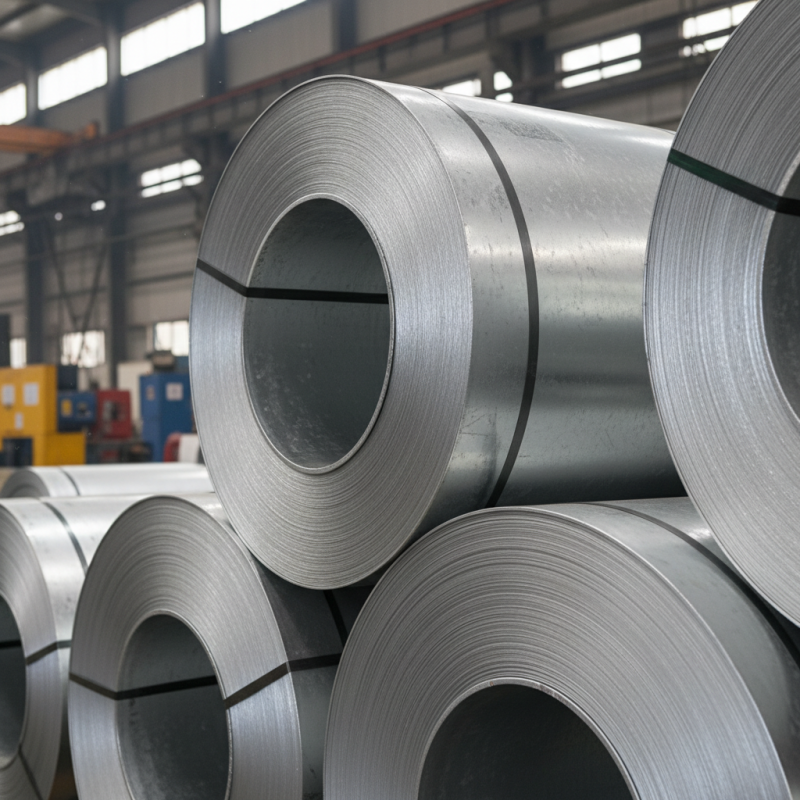
What is Galvanized Coil and Why is it Important?
Galvanized Coil is a vital material in various industries. It is steel coated with zinc to prevent rust. This coating enhances durability and lifespan, making it valuable for construction and manufacturing.
In the automotive sector, Galvanized Coil is used for car bodies. The protective layer ensures that cars last longer, resisting corrosion from weather and road conditions. Its application extends to appliances, roofing, and more, highlighting its versatility.
However, the process of galvanization is not without flaws. Sometimes, the coating may be uneven, leading to potential vulnerabilities. Manufacturers must carefully inspect the quality. Understanding Galvanized Coil is essential to making informed decisions in purchasing and usage.
What is Galvanized Coil: Definition and Composition
Galvanized coil is essential in various industries. It is steel that has been coated with zinc. This process enhances corrosion resistance, which extends the lifespan of products. The primary composition includes iron, carbon, and a layer of zinc. The zinc acts as a protective barrier against environmental factors.
The importance of galvanized coils lies in their versatility. They are used in construction, automotive, and appliance industries. According to industry reports, about 45 million tons of galvanized steel are produced annually worldwide. This high demand highlights the material's role in infrastructure and manufacturing. However, the production process can lead to environmental concerns. The emission of greenhouse gases is an area needing attention.
Another aspect to consider is quality variation. Not all galvanized coils are created equal. Factors like the thickness of the zinc layer affect performance. A thinner layer may be sufficient for some applications but inadequate for others. It raises questions about standards and testing methods. Proper handling and storage are crucial for maintaining quality. Companies must remain vigilant to avoid issues during transportation.
Galvanized Coil Production and Usage Statistics
The Process of Galvanization: How Galvanized Coils are Created
Galvanization is a process that enhances the durability of steel and iron through a protective zinc coating. This technique is essential in industries where corrosion resistance is critical. Over 90 million tons of galvanized steel are produced each year, highlighting its importance in construction and manufacturing.
The process begins with surface preparation. Steel coils are cleaned to remove contaminants like oil and dirt. This step is crucial. It ensures a strong bond between the zinc and the base metal. Next, the coils are submerged in molten zinc, typically over 450°C. The zinc reacts with the iron in the steel, forming a series of zinc-iron alloy layers. These layers provide excellent corrosion protection. Statistical data reveals that galvanized products can last up to 70 years under certain conditions, making them a cost-effective choice over time.
After coating, the coils undergo cooling. This step is vital for achieving the desired crystallographic structure of the zinc. However, imperfections such as uneven coating can occur. These inconsistencies might affect performance. Yet, they serve as reminders of the need for continuous improvement in manufacturing processes. Understanding this procedure is essential for those in the industry. It reveals both the strengths and weaknesses of galvanized products.
Applications of Galvanized Coils in Various Industries
Galvanized coils are widely used in multiple industries due to their essential protective qualities. These coils are made by coating steel sheets with zinc. This process prevents rust and corrosion, leading to longer-lasting products. In construction, galvanized coils support structural integrity. They are used in roofs, siding, and structural beams. The ability to withstand harsh weather makes them a smart choice.
In the automotive sector, galvanized coils play a vital role. They are used in car bodies and components. This helps reduce rust damage and maintenance costs. However, some manufacturers face challenges in achieving consistent coating thickness. This inconsistency can lead to weaknesses over time. Additionally, industries like appliance manufacturing rely on these coils for refrigerators and wash machines. Again, quality control is crucial.
Another application is in the HVAC industry. Ductwork often employs galvanized coils for airflow systems. The durability of galvanized products ensures longevity and efficiency. Yet, improper installation can undermine these benefits. Each industry finds unique uses for galvanized coils. Still, the importance of quality and attention to detail cannot be overstated.
What is Galvanized Coil and Why is it Important? - Applications of Galvanized Coils in Various Industries
| Industry | Application | Galvanized Coil Properties | Importance |
| Construction | Roofing Sheets | Corrosion Resistance, Durability | Enhances building longevity |
| Automotive | Body Panels | Lightweight, Anti-corrosive | Improves safety and reduces maintenance costs |
| Electronics | Components Housing | Electrical Conductivity, Corrosion Resistant | Protects sensitive components |
| Infrastructure | Fencing and Guardrails | Strength, Weather Resistance | Enhances safety in public spaces |
| Agriculture | Storage Tanks | Durability, Non-reactive | Safeguards stored materials |
Benefits of Using Galvanized Coils for Corrosion Resistance
Galvanized coils are essential in many industries. They are steel sheets coated with a layer of zinc. This coating provides an excellent barrier against corrosion. The process of galvanization enhances the durability of steel. As a result, structures last longer and require less maintenance.
Using galvanized coils offers numerous benefits. They resist rust and weathering, making them ideal for outdoor applications. Imagine a chain link fence; it can withstand rain and wind without deteriorating quickly. This resistance leads to cost savings over time.
Additionally, manufacturers favor galvanized coils for ease of fabrication. They can be easily formed into various shapes without compromising their protective layer.
However, some challenges arise. The galvanization process can create inconsistencies in the coating thickness. This variability may lead to areas of vulnerability. It’s vital to inspect galvanized products regularly. Moreover, while they are robust, they still require proper care. Understanding these factors is crucial for achieving the best results. Balancing performance and maintenance demands thoughtful consideration.
Environmental Impact and Sustainability of Galvanized Coils
Galvanized coils play a crucial role in modern construction and manufacturing. They are steel sheets coated with zinc to prevent corrosion. This process significantly extends the lifespan of steel, reducing the need for frequent replacements. The environmental impact of this practice is notable. According to a report by the International Zinc Association, using galvanized steel can cut greenhouse gas emissions by up to 50%. This is significant when considering global efforts on climate change.
However, sustainability challenges remain. The zinc galvanizing process can generate waste and emissions if not managed properly. Reports indicate that around 15% of zinc used can end up as waste. This inefficiency raises questions about the long-term sustainability of galvanized materials. It's essential to adopt more eco-friendly practices in the industry. Recycling galvanized steel is one solution. Studies show that recycled galvanized steel maintains similar properties to new products, enhancing its appeal.
Initiatives are underway to improve the sustainability of galvanized coils. The industry needs to address the carbon footprint of production. There is also a need for better regulations on waste management. Continuous innovation in recycling and production methods is crucial. As we push for greener technologies, the journey is fraught with challenges, reminding us of the ongoing need for reflection and improvement.