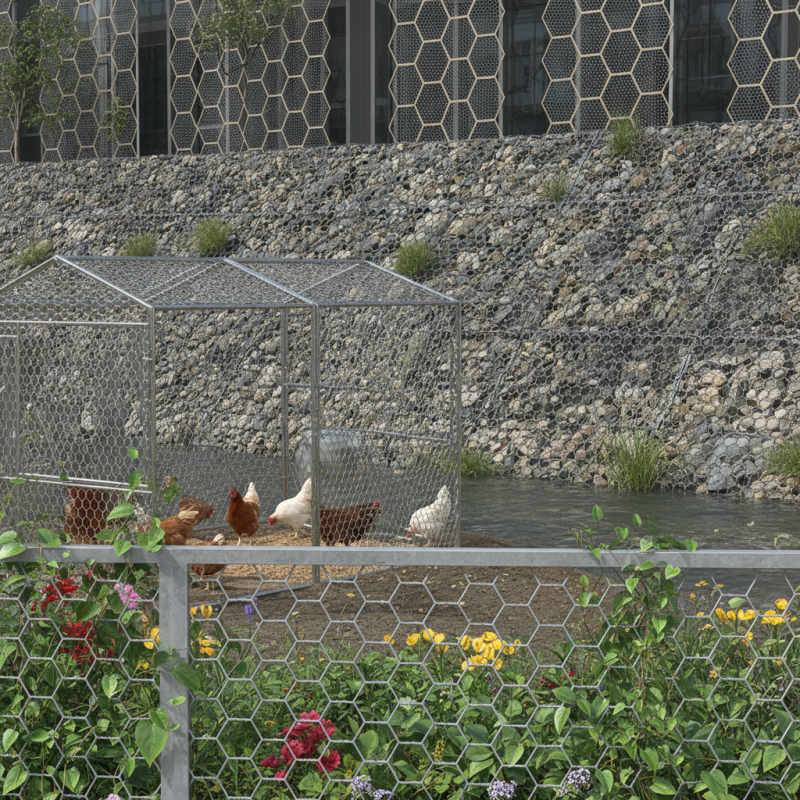
What is Hexagonal Wire Mesh and How is it Used?
hexagonal wire mesh is a versatile material used in many applications. Its unique hexagonal shape provides strength and flexibility. This mesh is commonly made from steel or galvanized wire. The structure allows for better airflow and drainage, making it ideal for landscaping and construction.
In urban areas, hexagonal wire mesh can be seen in various designs. It is used for fences, animal enclosures, and even garden supports. The beauty of this material lies in its practicality. However, not all applications achieve the desired results. Sometimes, poor installation leads to lackluster performance.
This mesh is also utilized in erosion control. It helps stabilize soil on slopes and along riverbanks. Nevertheless, there are cases where mesh fails due to environmental factors. Understanding these nuances is essential when considering hexagonal wire mesh for any project.
What is Hexagonal Wire Mesh? A Detailed Overview
Hexagonal wire mesh, often referred to as hex mesh, is a versatile material. It is composed of woven wires that create a hexagonal pattern. This structure provides strength and flexibility, making it ideal for various applications. Common wire thickness ranges from 0.5 mm to 4 mm. The size of the hexagons can vary, typically between 25 mm and 100 mm.
In construction, hexagonal wire mesh is used for reinforcement. It strengthens concrete structures and helps retain soil in landscaping projects. According to a market analysis report by Grand View Research, the global wire mesh market size was valued at $6.8 billion in 2021. This indicates the growing demand for such materials in multiple sectors.
Furthermore, in agricultural applications, hexagonal wire mesh serves as fencing to protect crops. This is crucial in areas where wildlife poses a threat. Some studies suggest that up to 30% of crops can be lost if not properly protected. The reliability of hex mesh in these scenarios is sometimes questioned due to potential corrosion, especially in wet climates. Understanding its limitations is vital for optimal use.
What is Hexagonal Wire Mesh and How is it Used?
| Dimension (mm) | Wire Diameter (mm) | Mesh Size (mm) | Material | Application |
| 1000 x 2000 | 2.0 | 50 | Galvanized Steel | Fencing |
| 1200 x 2400 | 2.5 | 65 | Stainless Steel | Animal Enclosures |
| 1500 x 3000 | 3.0 | 100 | PVC Coated Wire | Garden Decoration |
| 2000 x 4000 | 4.0 | 80 | Aluminum | Construction and Safety |
| 2500 x 5000 | 5.0 | 90 | Razor Wire | Security Fencing |
Historical Development of Hexagonal Wire Mesh in Construction
Hexagonal wire mesh has a rich history in construction. This versatile material dates back centuries, used in various forms for residential and commercial purposes. Initially, it provided support for plaster in buildings. Over time, its applications expanded widely. By the late 20th century, it became popular for reinforced concrete structures.
By 2020, the global hexagonal wire mesh market was valued at approximately $1.2 billion. This growth indicates its lasting significance in construction. Mesh is often used for safety barriers, animal enclosures, and even landscaping. Its hexagonal shape offers strength while allowing flexibility. However, using hexagonal wire mesh isn't without challenges. Issues like corrosion and installation difficulties can arise. It's essential for builders to consider these factors.
Many construction professionals rely on data-driven insights for their projects. A survey conducted in 2022 revealed that over 65% of construction firms use wire mesh in their reinforcement strategies. Despite its benefits, the market still seeks innovation. New materials and coatings can improve durability. The journey of hexagonal wire mesh reflects both tradition and adaptation in the ever-evolving construction landscape.
Key Materials and Manufacturing Processes for Hexagonal Wire Mesh
Hexagonal wire mesh is a versatile material, widely used across different industries. The key to its performance lies in the materials and manufacturing processes used. This mesh is typically made from steel or stainless steel wire, providing strength and durability. The hexagonal shape offers a unique design that enhances its functionality.
Manufacturing starts with wire selection. High-quality steel wires are drawn to specific diameters. After the right gauge is selected, the wiring process occurs. The wires are woven into a hexagonal pattern, ensuring uniformity. This creates a sturdy structure capable of withstanding various pressures. Sometimes, additional coatings are applied for corrosion resistance. However, not every coating adheres well, leading to potential quality issues.
In construction and landscaping, hexagonal wire mesh serves multiple purposes. It is often used for animal enclosures, erosion control, and even as a decorative element. Its ability to hold form while allowing air and water to pass makes it practical. Despite its advantages, improper installation can lead to significant failures. Attention to detail is crucial during installation to ensure longevity and effectiveness.
Common Applications of Hexagonal Wire Mesh in Various Industries
Hexagonal wire mesh is widely used across various industries due to its versatility and strength. In agriculture, it serves as an essential component in the construction of animal enclosures and fencing. According to industry reports, the agricultural fencing market is projected to grow by 5.5% annually. The strength of hexagonal wire mesh allows it to withstand various environmental factors, providing durability for livestock protection.
In the construction sector, hexagonal wire mesh plays a crucial role in reinforcing concrete structures. This mesh enhances the tensile strength of concrete, reducing the likelihood of cracks and increasing longevity. A study found that using wire mesh can increase the lifespan of concrete structures by up to 30%. Yet, quality control remains a challenge. Variability in mesh weaving can undermine its efficacy, requiring diligent inspection.
Moreover, hexagonal wire mesh is prevalent in landscaping and erosion control. It prevents soil erosion in sloped areas, promoting vegetation growth. The mesh allows water drainage while securing soil. However, practicality sometimes falters; improper installation can lead to significant soil loss over time. Stakeholders must remain vigilant to maximize the effectiveness of this mesh in environmental applications.
Performance and Durability Factors of Hexagonal Wire Mesh Structures
Hexagonal wire mesh is increasingly recognized for its unique structure and versatility. Made from woven wires, it features hexagonal openings that offer a strong yet lightweight solution. This design enhances stability while maintaining flexibility. These properties make it a preferable choice for various applications, from landscaping to agricultural fencing.
Performance and durability are critical aspects when considering hexagonal wire mesh. The materials used can significantly impact their lifespan. High-quality galvanized wire resists rust and corrosion more effectively. However, environmental factors can pose challenges. For instance, extreme temperatures can weaken the mesh over time. Proper installation and maintenance are essential to mitigate these issues.
Furthermore, while hexagonal wire mesh is praised for strength, it may sometimes lack aesthetic appeal. Some users feel that the industrial look does not fit all projects. This raises questions about finding a balance between functionality and visual integration. Regular inspections are necessary to address wear and tear, ensuring long-term usability. Each project may require a tailored approach to determine suitability.