How to Choose a Premium Dog Leash for Your Pet?
Choosing a Premium Dog Leash involves more than comparing prices or admiring polished packaging. The right leash should support safe, comfortable, and controlled walks in real situations. A strong design matters when your dog suddenly lunges toward a squirrel, pulls near traffic, or steps into wet grass. The leash must feel secure in your hand, not merely look attractive online.
Material quality deserves close attention. Durable nylon, coated webbing, or carefully finished leather can offer different benefits. Check the stitching around the handle and clasp. Those areas receive the most pressure. A smooth handle may prevent blisters during long walks, while a rust-resistant metal clasp can perform better in rain. Length also matters. A short leash may improve control in crowded streets. A longer option can give a calm dog more freedom in open spaces.
Your dog’s size, strength, habits, and walking environment should guide the choice. A lightweight leash may suit a small, relaxed dog, but it could fail under a powerful puller. I once focused too much on appearance and overlooked clasp weight. It was a small mistake, but the leash felt uncomfortable after several minutes. That experience is worth remembering.
Not every expensive leash is premium. Reliable evaluation requires checking construction, comfort, safety features, and honest product information. Look for clear measurements, maintenance guidance, and credible customer feedback. A thoughtful choice may cost more initially, yet it can provide steadier control and longer service. Your dog deserves more than a stylish accessory. They need dependable support every time the door opens.
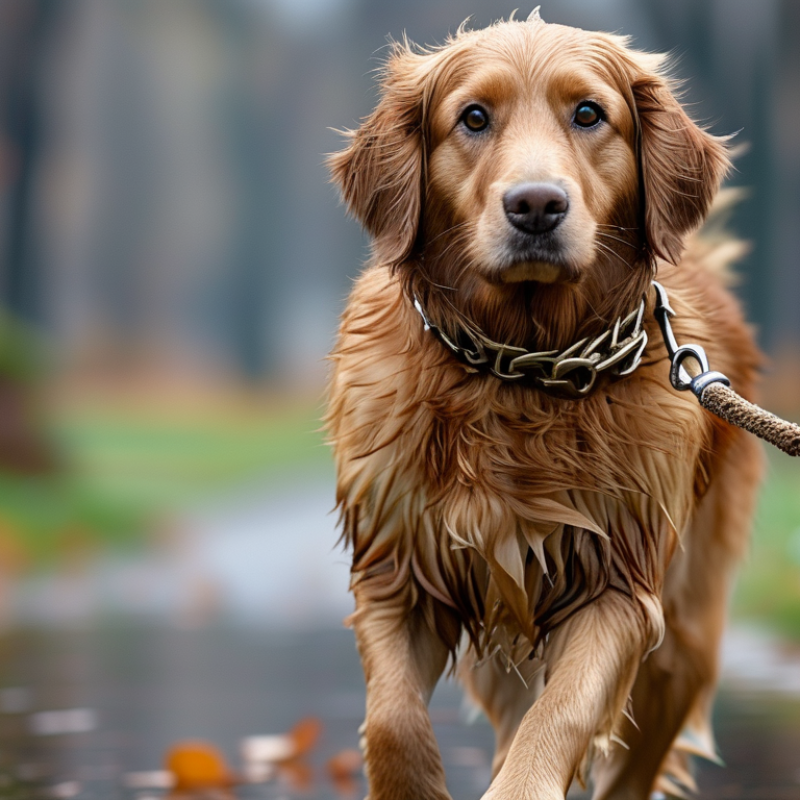
Define Premium Quality Through Materials, Stitching, and Hardware Standards
A premium dog leash begins with materials suited to your dog’s size, strength, and habits. Full-grain leather can feel supple and durable, but it needs regular conditioning. High-quality nylon or coated webbing resists moisture and cleans easily. Check the edges carefully. Rough, sharp edges may rub against your hands or your dog’s skin. A leash should feel balanced, not stiff or cheaply light.
Stitching reveals more than appearance. Look for dense, even lines around the handle, clasp loop, and traffic-control section. Box stitches with diagonal reinforcement usually spread pulling force better than a single straight seam. Loose threads signal weak quality. Pull the leash gently before use. It should flex without stretching excessively. I still miss small flaws sometimes. That is the point. Slow inspection matters.
Hardware must match the leash’s working load. Choose a solid swivel clasp with smooth movement and a secure gate. Rust-resistant metal is valuable during rainy walks or beach trips. Inspect welds, rivets, and the attachment ring for gaps or sharp marks. A polished finish alone proves nothing. Ask whether the hardware has been tested for repeated tension, not just attractive presentation. For strong or reactive dogs, select a wider leash with reinforced connection points. For small dogs, oversized hardware may become uncomfortable. Premium quality is practical: dependable materials, disciplined stitching, and hardware that remains reliable after everyday wear.
Choose a 6-Foot Length, the AKC’s Common Walking Recommendation
How to Choose a Premium Dog Leash for Your Pet?
A six-foot leash is a practical starting point for everyday walks. The American Kennel Club commonly recommends this length for balanced control and movement. Six feet works. It gives your dog room to sniff without creating excessive distance near roads or other pedestrians. In my experience, a shorter leash can feel restrictive, while a longer one may wrap around benches, bicycles, or tree trunks. Walking conditions still matter. A lively dog may need closer handling in crowded areas. A quiet dog may enjoy more freedom in an open park.
A premium leash should feel secure, comfortable, and easy to inspect. Look for strong stitching, a smooth handle, and a clip that closes firmly. The material should remain flexible in cold or damp weather. Check the connection before every walk. Small wear can become a serious weakness. Keep it simple. I once focused too much on appearance and overlooked handle comfort after twenty minutes of walking. That was a mistake. The best choice depends on your dog’s size, strength, pulling habits, and walking environment. A six-foot length may suit most routines, but thoughtful adjustment remains essential.
Match Leash Width and Clip Strength to Your Dog’s Weight and Activity
Choosing a premium dog leash starts with a practical match: its width and clip strength should suit your dog’s weight and daily behavior. A small, calm dog may need narrow, lightweight webbing that will not drag across the pavement. A powerful dog needs broader material, secure stitching, and a clip designed for repeated pulling. I learned this after using a thin leash with an enthusiastic adolescent dog. It looked elegant, but the handle cut into my palm during sudden lunges. That mistake was mine.
Weight is only part of the decision. Activity matters too. A relaxed older dog may use lighter hardware, while a smaller dog that hikes, runs, or chases birds may need stronger components. For energetic pets, choose a clip that closes completely and resists twisting under pressure. A locking mechanism can add useful security, but it should remain easy to operate with cold or wet fingers. Hold the leash and inspect the connection point. Look for loose stitching, bent metal, or frayed edges. Replace it when damage appears. I sometimes choose hardware slightly heavier than necessary, thinking extra strength always helps. It does not. Excess weight can tire a small dog and make handling awkward. The better choice balances restraint, comfort, and the specific activity you actually share.
How to Choose a Premium Dog Leash for Your Pet?
Match leash width and clip strength to your dog's weight and activity level. Active dogs generally benefit from a wider leash and a stronger clip.
The chart shows practical minimum selection targets based on common leash sizing ranges. Clip load ratings should be checked against the manufacturer's tested specifications, especially for strong pullers, running, hiking, or sudden-force activities.
Select Humane Control Features Consistent With AVSAB Guidance
How to Choose a Premium Dog Leash for Your Pet?
A premium dog leash should support calm guidance, not create fear or pain. AVSAB guidance recommends reward-based training and discourages aversive tools. Choose a leash with a comfortable handle, smooth edges, and a secure swivel clip. The clip should close fully and resist accidental opening. A lightweight design can reduce strain during longer walks. It should feel dependable.
Avoid leashes designed to tighten sharply around the neck. Choke-style attachments, prong devices, and shock-based equipment conflict with humane handling principles. A well-fitted flat collar or comfortable harness can distribute pressure more safely. For dogs that pull, pair the leash with gradual training and small food rewards. Pulling harder is rarely a lasting solution. It may increase tension.
Check the leash before every outing. Look for frayed stitching, weakened clips, or cracked hardware. Keep enough length for sniffing, but not so much that the dog reaches traffic. Reflective stitching can improve visibility at dusk. In my experience, handlers sometimes choose control over comfort too quickly. I have made that mistake myself. The better question is simple: can this leash guide the dog without startling, choking, or restricting normal movement? Watch the dog’s body language. Loose muscles, a soft mouth, and regular sniffing suggest greater comfort, though no single sign proves everything. Dogs differ, and our choices should remain open to adjustment.