Top Carbide Tools Manufacturers in China?
China has become a major source of cutting tools for machining, woodworking, mining, and wear-resistant applications. Its manufacturers range from large, automated factories to smaller workshops with impressive technical skills. That variety makes supplier selection difficult. A polished website is not enough.
Dr. Michael Chen, an independent Carbide Tools Manufacturing consultant, states, “A carbide tool proves its quality at the cutting edge, not in the catalogue.” This practical view guides our evaluation. We examine carbide grade, cobalt content, grain structure, coating technology, grinding accuracy, and production consistency. We also consider application knowledge. A manufacturer may produce excellent end mills but lack experience with demanding mining inserts or custom wear parts.
The manufacturers discussed in this guide are assessed through clearer, real-world signals. These include factory capabilities, quality-control procedures, export experience, certifications, delivery performance, and technical support. Details matter. Look for inspection records, tool geometry data, batch traceability, and stable edge preparation. Ask how the supplier handles premature chipping or inconsistent tool life.
Some rankings remain imperfect. Public information can be limited, and supplier performance may change after equipment upgrades or management changes. Price comparisons can also mislead. A low unit cost means little if tools fail after a short production run. Buyers should request samples and conduct controlled cutting tests before placing large orders. This guide offers a practical starting point, not a permanent verdict. It aims to help engineers and purchasing teams identify capable Chinese manufacturers with greater confidence.
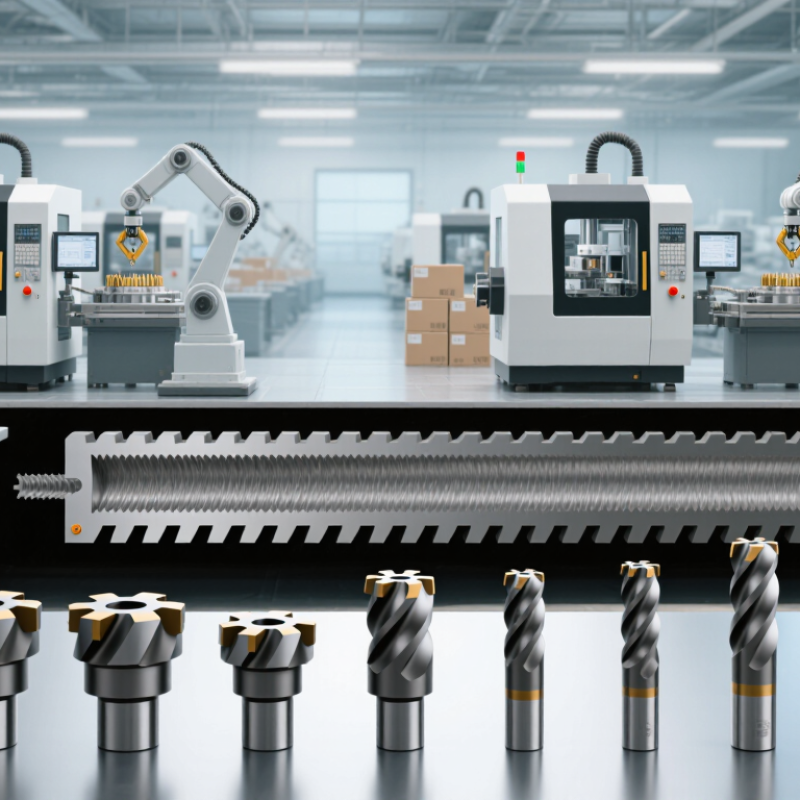
What Are Carbide Tools and Why Are They Important?
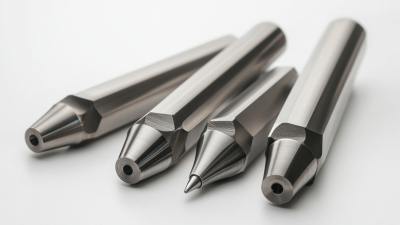
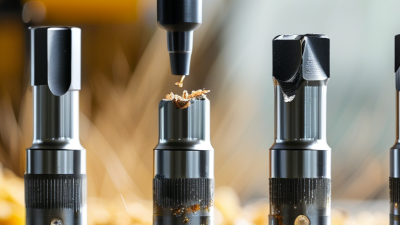
Carbide tools are cutting tools made from hard tungsten carbide particles bonded with cobalt or another metal. This structure gives them strong wear resistance and edge stability. In a workshop, a carbide end mill can cut hardened steel while producing a sharp, controlled chip. That matters when machines run at high speeds for long periods. Compared with ordinary high-speed steel, carbide often keeps its hardness under greater heat. However, it is not unbreakable. Excessive vibration, poor clamping, or sudden impact can chip the cutting edge.
Reliable carbide tool manufacturers in China usually control several details during production. They select consistent powder, press each blank accurately, and sinter it under carefully monitored temperatures. Skilled manufacturers also inspect hardness, runout, coating thickness, and cutting performance. These checks influence tool life more than a polished appearance. In practical testing, two tools with similar dimensions may perform differently because their carbide grades or edge preparation vary. No tool is perfect. A coating may improve wear resistance but perform poorly with certain materials or coolants. Buyers should review technical data, dimensional tolerances, sample results, and quality records. Clear communication about steel grade, cutting speed, feed rate, and machine conditions helps prevent costly misunderstandings. Sometimes, a cheaper tool becomes expensive after repeated replacements.
How to Evaluate Carbide Tool Manufacturers in China
Top Carbide Tools Manufacturers in China?
Evaluating carbide tool manufacturers in China requires more than comparing catalog prices. Check the material grade, carbide grain size, cobalt content, and dimensional tolerances. Reliable suppliers should provide traceable certificates for tungsten carbide rods and finished tools. Ask how they control runout, edge preparation, and surface quality after grinding. Small details matter. A tool that looks perfect may still fail during high-speed cutting.
Request production samples before placing a large order. Test them on your actual material, spindle speed, feed rate, and coolant conditions. Compare tool life, chip evacuation, cutting noise, and edge wear. Keep the test records. This makes supplier claims easier to verify. A factory visit can reveal useful evidence, such as calibrated inspection equipment, clean work areas, and documented process checks. However, one visit cannot prove consistent production.
Review the manufacturer’s quality system, technical response time, packaging method, and after-sales process. ISO certification can support credibility, but it should not replace direct inspection. Ask for inspection reports, coating specifications, and batch traceability. Clear drawings and tolerances reduce avoidable disputes. Be careful with unusually low quotations. They may reflect different carbide grades, weaker coatings, or limited inspection. I have found that communication quality is often overlooked. If engineers ask precise questions about the application, they may understand performance better. Still, assumptions can be wrong, so written sample approval remains essential.
Leading Types of Chinese Carbide Tool Manufacturers
Leading Types of Chinese Carbide Tool Manufacturers
China’s carbide tool industry is not a single manufacturing group. It includes integrated producers, specialized cutting-tool factories, OEM suppliers, and precision grinding companies. Integrated producers usually control powder mixing, pressing, sintering, grinding, and coating. This can improve batch consistency. Specialized factories often focus on solid carbide drills, end mills, inserts, mining bits, or wear parts. Their narrower expertise may produce better geometry for demanding applications. The USGS Mineral Commodity Summaries 2024 estimated China produced about 67,000 metric tons of tungsten content in 2023. That scale supports a strong domestic carbide supply chain.
OEM and ODM manufacturers serve distributors and industrial users needing customized diameters, helix angles, tolerances, or coatings. Precision suppliers may not make cemented carbide blanks themselves. Instead, they excel at CNC grinding, edge preparation, and inspection. During a practical factory audit, buyers should check tool runout, coating thickness, batch records, and measurement equipment. A polished sample is not enough. The World Cutting Tool Association continues to identify automotive, aerospace, and general machinery as major cutting-tool demand sectors, but supplier capabilities differ widely.
Tips: Match the manufacturer type to the application. Request test data for tool life, cutting speed, and workpiece material. Confirm whether results come from controlled trials or ordinary production. A low quotation can hide unstable powder quality or weak inspection. This is easy to overlook. Periodic sample testing remains worthwhile, even after a successful first order.
Key Products, Materials, and Manufacturing Capabilities
Top Carbide Tools Manufacturers in China
China’s leading carbide tool manufacturers produce inserts, end mills, drills, reamers, saw blades, and custom wear parts. Their key material is tungsten carbide, usually combined with cobalt as a binder. Fine-grain carbide supports sharper edges and cleaner finishes. Coarser grades often provide better impact resistance. Material selection should match cutting speed, workpiece hardness, and coolant conditions.
Strong manufacturers control powder mixing, pressing, sintering, grinding, and final inspection in-house. Advanced facilities use CNC tool grinders, laser measurement systems, and automated coating equipment. Common coatings include titanium-based layers that reduce friction and improve wear resistance. Some factories also offer edge preparation, special geometries, and non-standard dimensions. These services matter when a standard catalogue tool cannot handle a difficult machining process.
Quality evidence should include material reports, dimensional records, coating data, and batch traceability. Sample testing remains essential. A polished catalogue does not prove stable production. No factory performs perfectly on every tool type. Small edge defects, inconsistent runout, or coating variation can still appear. Factory audits and repeated trial orders reveal more than a single sample. Reliable suppliers explain failures clearly and adjust grinding, sintering, or inspection procedures when results fall short.
How to Choose the Right Chinese Carbide Tool Supplier
Choosing the right Chinese carbide tool supplier requires more than comparing factory prices. Start with the tool’s actual application. Ask about workpiece material, spindle speed, feed rate, coolant, and machine rigidity. A supplier should recommend suitable carbide grades, grain sizes, cobalt content, and coating options instead of offering one standard solution.
Request a small trial batch before placing a large order. Measure cutting life, edge chipping, surface finish, and dimensional stability after real machining. Check runout with a gauge, especially for small-diameter end mills. Reliable manufacturers should provide inspection records, material certificates, coating details, and traceability for each production lot. Their tolerance claims must match measured results, not only a sales sheet.
Communication reveals practical competence. Can the technical team explain why a tool failed? Do they adjust geometry after reviewing cutting data? Clear drawings, stable packaging, and documented quality procedures also matter. During supplier evaluation, compare response times and sample consistency, not just quotations. A low price may hide uneven grinding or short tool life. I would not pretend every supplier with modern equipment delivers identical results. Some factories need stronger process control, and buyers should verify this through repeated samples, factory audits, and honest performance records. Even a small mistake in flute geometry can leave visible marks on a finished steel component.