Best Modular Belt Conveyor Solutions for Global Buyers?
In today's fast-paced industrial landscape, companies are constantly seeking effective solutions for material handling. Modular belt conveyors have emerged as a versatile option. Their design allows for easy customization, making them suitable for various applications. With a wide range of configurations, these conveyors adapt to different production needs.
When selecting modular belt conveyors, it’s important to consider the specific requirements of your operation. Factors like weight capacity, speed, and environmental conditions greatly influence performance. Not all systems are created equal, and the decision should align with industry standards. Researching credible suppliers is essential to ensure reliability and quality.
While modular belt conveyors offer many advantages, they are not without challenges. Noise levels, potential maintenance issues, and initial investment costs can be significant. Companies must weigh these factors against the long-term benefits they provide. Ultimately, the right choice can lead to increased efficiency and reduced operational costs. Exploring innovative solutions can redefine how businesses handle their materials.
Overview of Modular Belt Conveyors and Their Applications
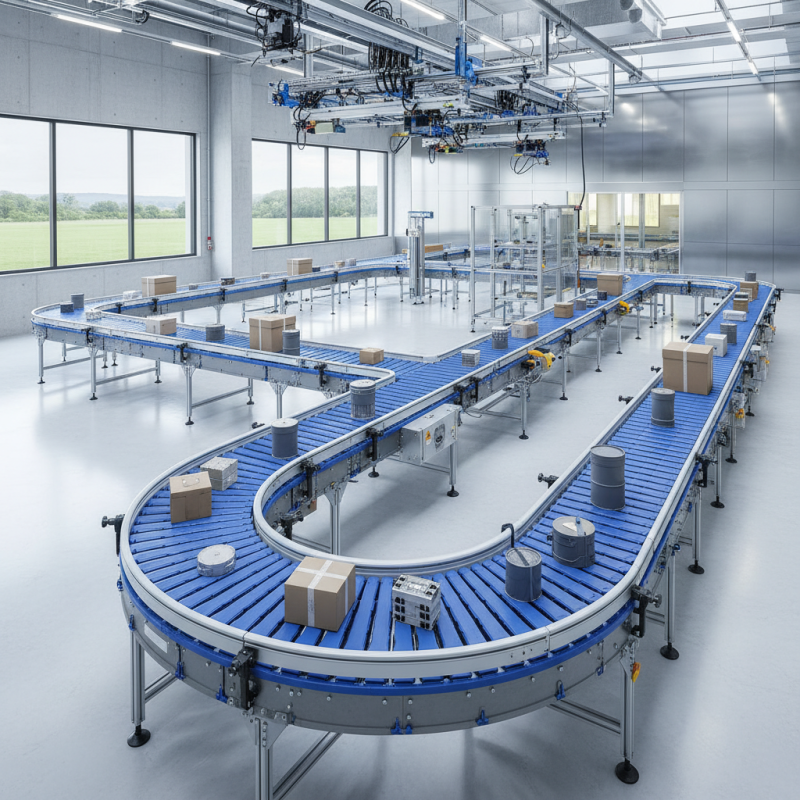
Modular belt conveyors are essential in various industries due to their adaptability and efficiency. These conveyors consist of interlocking plastic belts, offering flexibility in design. Recent industry reports indicate that the market size for modular conveyor systems is expected to grow at a CAGR of around 5.2% from 2021 to 2026. This reflects the increasing demand for automated material handling solutions in sectors like food processing, pharmaceuticals, and manufacturing.
Their applications are diverse. In the food industry, modular belt conveyors are favored for their washability and hygiene features. In manufacturing, they facilitate the movement of heavy products seamlessly. Some businesses report issues with modular belt alignment. Such problems can hinder productivity, which raises the importance of regular maintenance and skilled operators. Furthermore, the ability to customize these systems offers both opportunities and challenges. Striking the right balance between investment and operational efficiency remains key for buyers.
Understanding the right modular belt conveyor for specific needs is crucial. The installation process can be complex, leading to potential downtime. Yet, the benefits of enhanced throughput and reliability often outweigh these challenges. Buyers need to evaluate their specific applications carefully to maximize the effectiveness of their investment.
Key Features to Consider When Selecting Modular Belt Conveyors
When selecting modular belt conveyors, key features are crucial. One primary consideration is the material of the belts. A durable material can withstand heavy loads and harsh environments. Stainless steel or high-quality plastic are common choices. These materials also resist corrosion and wear, ensuring longevity.
Another important aspect to assess is the flexibility of the system. Modular conveyors should easily adapt to different layouts. This flexibility allows for modifications later, which can be a smart investment. For industries with evolving needs, this adaptability is essential.
**Tips:**
Always check the weight capacity of your chosen conveyor. Different models can handle varying loads. Underestimating capacity might lead to breakdowns.
Consider energy efficiency as well. A conveyor that consumes less power can reduce operating costs. This could be a significant factor over time.
The ease of maintenance cannot be overlooked. Conveyor systems should be designed for straightforward cleaning and part replacement. Delays in maintenance can lead to extensive operational issues and lost productivity.
Top Modular Belt Conveyor Manufacturers and Their Offerings
When it comes to modular belt conveyors, knowing the main players in the market is crucial for buyers. These manufacturers often specialize in specific industries, offering tailored solutions. They provide various types of modular belts for different applications, including food processing, packaging, and logistics. Their products are designed with innovative features, such as easy assembly and maintenance, enhancing efficiency.
Many manufacturers focus on sustainability and energy efficiency. They are exploring eco-friendly materials and designs that reduce waste. This is an important consideration for modern businesses aiming to lower their carbon footprints. However, not all manufacturers provide comprehensive information on their sustainability practices.
Buyers should ask questions to assess a manufacturer’s expertise. Details about material sourcing and production methods can reveal a lot. Gaining insights into after-sales support can also influence purchasing decisions. Potential concerns include lead times and flexibility in custom solutions. Engaging with manufacturers can help buyers find the best fit for their needs.
Cost Analysis of Modular Belt Conveyors for Global Buyers
The cost analysis of modular belt conveyors is critical for global buyers. According to a report by Research and Markets, the modular conveyor market is expected to grow at a CAGR of 5.7% from 2022 to 2027. As production demands rise, manufacturers are exploring cost-effective solutions that do more than simply move items.
The initial investment for modular belt conveyors can be significant, often ranging from $15,000 to $75,000, depending on the complexity and customizations. However, businesses must consider long-term operational costs. Modular systems can reduce downtime through easy maintenance, impacting overall productivity positively. Additionally, energy efficiency plays a role—modern designs consume up to 20% less energy compared to older models.
Despite their advantages, prospective buyers must reflect on potential pitfalls. Customization options can lead to unexpected expenses, especially with complex configurations. Furthermore, integrating modular systems into existing setups may not always be seamless. An understanding of these factors is essential for making informed decisions in the competitive landscape of industrial automation.
Cost Analysis of Modular Belt Conveyors for Global Buyers
Future Trends in Modular Belt Conveyor Technology and Design
The future of modular belt conveyor technology is both exciting and challenging. As industries demand greater efficiency, the design of these systems is evolving. This evolution includes the use of advanced materials that offer durability and reduced wear. Manufacturers are now focusing on creating belts that can handle various loads while maintaining a lightweight structure.
Furthermore, automation plays a significant role in the next generation of modular belt conveyors. Sensors and smart technology are integrated to monitor performance in real-time. This allows for predictive maintenance, reducing downtime and increasing efficiency. However, the learning curve for operators can be steep. Adapting to these smart systems requires training and adaptation.
Sustainability is also a crucial trend. More buyers are looking for eco-friendly options. This can mean energy-efficient motors and recyclable materials. Despite advancements, some challenges remain. There are inconsistencies in sourcing sustainable materials. Buyers need to navigate these complexities while ensuring quality and performance. As the market grows, so does the need for reliable and ethical sourcing.
Best Modular Belt Conveyor Solutions for Global Buyers
| Feature | Description | Benefits | Future Trends |
| Modular Design | Flexible design that allows easy assembly and reconfiguration. | Improves efficiency and reduces downtime with quick changes and maintenance. | Increasing adoption in various industries due to versatility. |
| Material Choices | Various materials such as plastic, metal, and composites are available. | Enhanced durability and suitability for diverse environments. | Innovation in eco-friendly materials to reduce environmental impact. |
| Automation Capability | Integration with automated systems for improved workflow. | Increases throughput and lowers labor costs. | Advancements in AI and IoT technologies for smarter systems. |
| Customizability | Options to customize size, speed, and configurations. | Tailors solutions to specific operational needs. | Increasing demand for bespoke solutions across different sectors. |