Top 10 Indexable Tool Repair Suppliers Worldwide
Choosing a reliable supplier for Indexable Tool Repair can directly affect production accuracy, tool life, and maintenance costs. Manufacturers depend on repaired inserts, holders, and cutting assemblies that perform consistently under pressure. A small alignment error may create vibration, poor surface finishes, or unexpected downtime. This guide introduces ten leading suppliers worldwide and examines what makes their services dependable.
The selection focuses on practical experience, technical capability, repair quality, and customer support. Each supplier is considered through factors such as inspection procedures, replacement-part availability, turnaround time, and machining expertise. Some companies specialize in carbide tooling, while others handle complex indexable holders, coolant channels, or custom assemblies. Their workshops may include coordinate measuring machines, precision grinders, and documented quality checks.
Details matter.
However, no supplier is ideal for every factory. Regional shipping, minimum order quantities, equipment compatibility, and communication standards can change the final decision. Public information may also be incomplete or updated slowly. Therefore, this overview should support further verification rather than replace it. Buyers should request current certifications, repair samples, process records, and clear warranty terms before committing. A short trial order can reveal more than a polished brochure. Even experienced purchasing teams sometimes overlook packaging quality or return procedures. That is worth reconsidering. By comparing capabilities carefully, manufacturers can identify Indexable Tool Repair partners that provide measurable value, stable performance, and realistic long-term support.
What Indexable Tool Repair Suppliers Do and Why They Matter
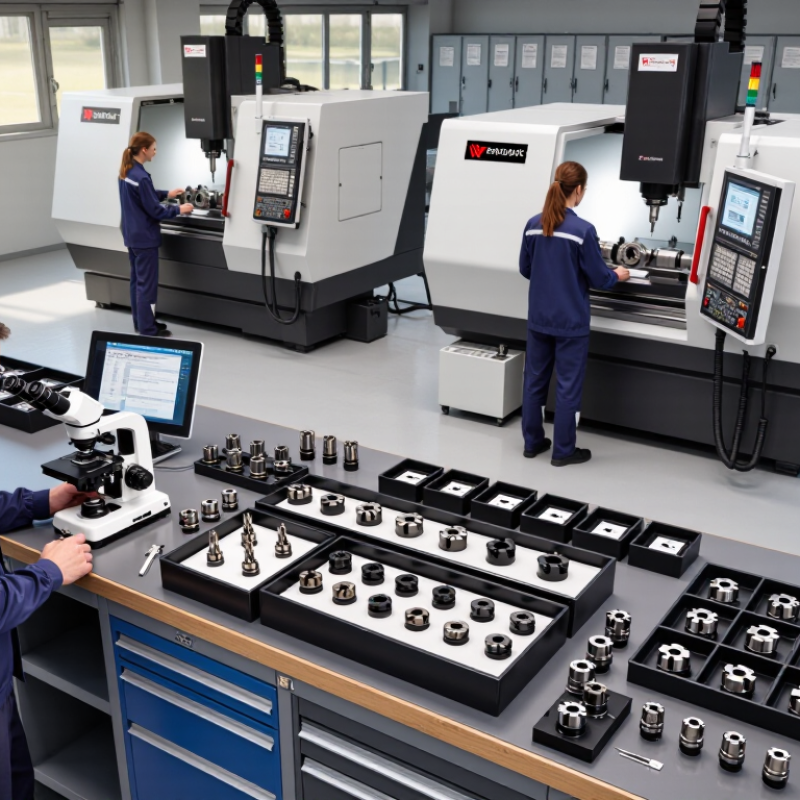
Indexable tool repair suppliers inspect cutting tools, replace worn components, and restore bodies that remain safe to use. Their work may include cleaning chip-packed pockets, checking insert seats, replacing damaged screws, and measuring runout. Small details matter. A loose seat can shift an insert, affect surface finish, or shorten tool life.
Reliable suppliers document what they find and explain which repairs are practical. For example, they may measure a tool body before and after seat replacement, then verify dimensions against the required tolerance. Clear inspection records help machinists decide whether to repair or replace a tool. That decision depends on tool condition, repair cost, lead time, and the risk of failure during production. Not every tool should be saved.
These suppliers matter because a sound repair can reduce unnecessary replacement and help keep machines productive. They also support consistent results by returning tools with verified geometry, not just a fresh-looking surface. Ask about inspection methods, repair limits, and turnaround expectations. Details vary between suppliers, and a quick quote may not reveal every limitation. That is worth questioning. Repair work can extend service life, but it cannot restore a tool body that has suffered severe damage.
How the Top 10 Global Suppliers Are Selected and Compared
Comparing global indexable tool repair suppliers starts with a clear definition of repair scope. Some shops replace seats and clamping screws; others restore tool bodies, inspect interfaces, and verify runout. A supplier should describe which services it performs in-house and which it outsources. Specific answers matter.
Selection also depends on evidence, not polished claims. Review documented inspection steps, technician experience, equipment capabilities, and sample repair reports. Ask how the supplier checks dimensions and records work before returning a tool. Turnaround estimates should include shipping, assessment, and parts delays. Small details reveal a lot.
For a fair comparison, assess parts availability, service coverage, warranty terms, communication, and pricing transparency using the same questions for every candidate. Customer feedback can add context, but isolated reviews are not proof of consistent performance. Look for repeated, specific comments about repair quality and follow-up. Then compare suppliers against the needs of the intended operation, rather than treating a single score as universal. There is room for judgment here: public information may be incomplete, and a fast turnaround does not always mean a durable repair. A reliable shortlist should distinguish verified facts from estimates and unanswered questions.
Regional Coverage and Service Capabilities of Leading Suppliers
Regional coverage matters when an indexable tool needs repair quickly. Suppliers with service centers near major manufacturing regions can shorten shipping times and simplify communication. Local technicians may inspect worn seats, damaged pockets, and alignment issues without sending the tool across an ocean. Response times still vary. Ask what the quoted turnaround includes, from inspection to return shipping.
Tips: Request a sample repair report. Check whether regional facilities stock common replacement components. Confirm how urgent cases are handled, and ask who pays for international freight. Small details matter.
A capable supplier should explain its repair process, inspection criteria, and service limits in clear terms. Some offer collection routes or partner workshops; others handle every repair at one central facility. Neither model is automatically better. Compare delivery estimates, technical support hours, and documentation for your specific tool type. References from nearby customers can help verify service consistency, though one experience may not represent every case. Regional coverage looks impressive on a map, but practical access can still be uneven.
Global Indexable Tool Repair: Regional Coverage & Service Context
Approximate standard-time offset ranges across broad markets offer context for planning regional service coverage.
These geographic ranges are not supplier-reported service areas or a supplier ranking. Exact time-zone boundaries vary by market, and daylight saving time is not shown.
Repair Processes, Technologies, and Quality Control Standards
Reliable indexable tool repair begins with inspection, not immediate grinding. Experienced technicians record insert seats, clamping faces, runout, edge chipping, and coating wear. A digital microscope reveals cracks that ordinary lighting can miss. Dial indicators then verify holder alignment, often within a few micrometres. The repair route depends on evidence, not assumptions. Some damaged bodies need rebuilding, while others need controlled component replacement. This judgment protects cutting stability and reduces unnecessary material removal.
Modern suppliers may use CNC grinding, laser cladding, precision lapping, and automated measurement systems. Grinding parameters should match substrate hardness and the tool’s original geometry. Excessive heat can create hidden tension. It may pass a visual check. It may fail during cutting. Technicians therefore monitor coolant flow, wheel condition, and surface temperature. After repair, coordinate measuring machines compare rake angles, relief angles, pocket dimensions, and concentricity with approved drawings. Traceable records should identify operators, equipment, calibration dates, and replaced parts.
Quality control should include a clean inspection area, even when a formal clean room is unnecessary. Particles on a seating surface can shift insert height by a small but costly amount. Final checks often include torque verification, trial fitting, balance testing, and photographic records. Independent audits and ISO-aligned procedures strengthen credibility, but certificates alone cannot prove workmanship. Ask for sample reports and nonconformance data. No process is flawless. Skilled suppliers admit uncertainty, investigate recurring failures, and revise procedures when field feedback challenges laboratory results.
Choosing an Indexable Tool Repair Supplier for Industrial Needs
Choosing an indexable tool repair supplier starts with the failure, not the quote. Explain whether inserts are chipping, seats are damaged, or runout has increased. A capable repair team should inspect the body, check critical dimensions, and describe what can be restored. Ask for inspection records and clear acceptance criteria. Ask for evidence. A repair report should identify replaced parts, measured tolerances, and any limits that remain. This makes it easier to compare repair quality with replacement cost.
Industrial needs also depend on production pressure. Confirm typical turnaround times, emergency capacity, and access to common replacement components. If a tool supports a recurring job, discuss repair history and maintain a simple record of cycle counts or recurring failures. Fit matters. A repaired cutter may pass visual inspection yet perform poorly if balance or concentricity is off. Ask how the supplier verifies these details and whether it can test the tool under suitable conditions. No checklist catches every problem, and turnaround estimates can slip when hidden damage appears. That is worth discussing before sending tooling out. Clear communication, consistent measurements, and realistic limits are better signs of a dependable supplier than a low price alone.